


Bangkok Airways Round Up
- Shanghai brings together the charm of old and new China, from the iconic waterfront views of The Bund and the modern Pudong skyline to the excitement of Shanghai Disneyland. Savor the city’s signature Xiaolongbao and enjoy a relaxing boat ride through the charming canals of Zhujiajiao Ancient Town, surrounded by traditional architecture.
- Travel to Shanghai more conveniently with Bangkok Airways Codeshare Flights, connecting Thailand with Shanghai Pudong International Airport (PVG) under a single booking. Fly directly from Bangkok in approximately 4 hours and 15 minutes, or begin your journey from Koh Samui, Chiang Mai, Phuket, or Trat, with baggage check-through to your final destination.
Shanghai is a vibrant city where iconic riverside landmarks, stylish lifestyle districts, historic temples, famous local food, and world-class theme parks come together to create an unforgettable travel experience. Bangkok Airways presents the best things to do in Shanghai in 2026, along with travel options from Thailand to Shanghai and essential tips for easier and more convenient trip planning.
Discover Shanghai’s Iconic Landmarks and City Highlights
1. The Bund
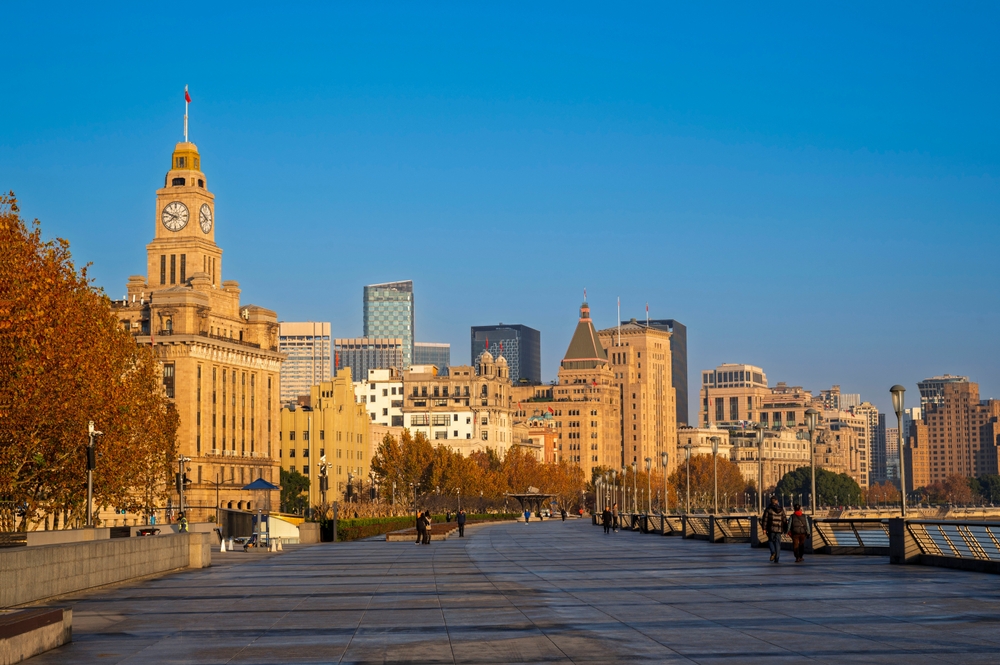
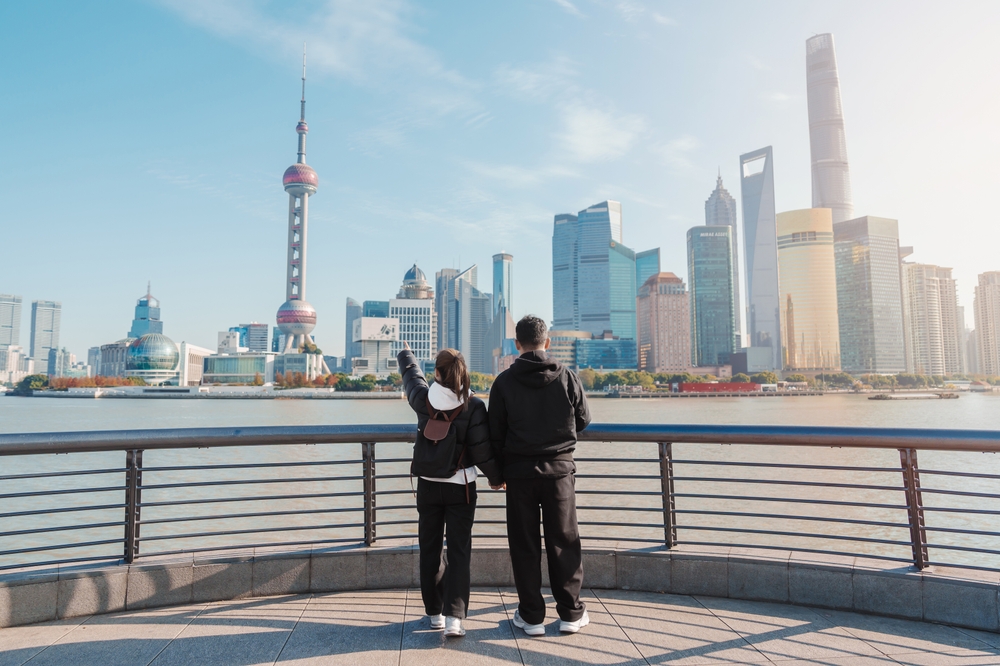
For anyone visiting Shanghai, The Bund is a must-see destination. Located along the Huangpu River, this iconic landmark is lined with historic European-style buildings that reflect Shanghai’s rise as a major trading and financial center in the late 19th century. Across the river, the modern skyline of Pudong creates a striking contrast, bringing Shanghai’s past and present together in a single view.
The Bund is the perfect place for strolling, sightseeing, and taking photos, especially from early evening until the night, when the riverside comes alive with lights and a vibrant atmosphere. The lights generally come on around 6:00-7:00 p.m., depending on the season.
Highlights and must-do activities at The Bund in Shanghai include:
- Admire the historic architecture: Walk along the waterfront and explore buildings featuring a mix of architectural styles, including Gothic, Baroque, Neoclassical, Art Deco, and Renaissance influences.
- Enjoy views of the Huangpu River and Waibaidu Bridge: Capture the contrast between The Bund’s classic buildings and Pudong’s modern skyline, then stop by Waibaidu Bridge, a popular viewpoint and photo spot, especially around sunset.
- Ride The Bund Sightseeing Tunnel: Travel through the tunnel beneath the Huangpu River connecting The Bund with Lujiazui. Along the way, enjoy a short ride featuring colorful lights and visual effects.
2. Lujiazui Skyline: Shanghai Tower and Oriental Pearl Tower
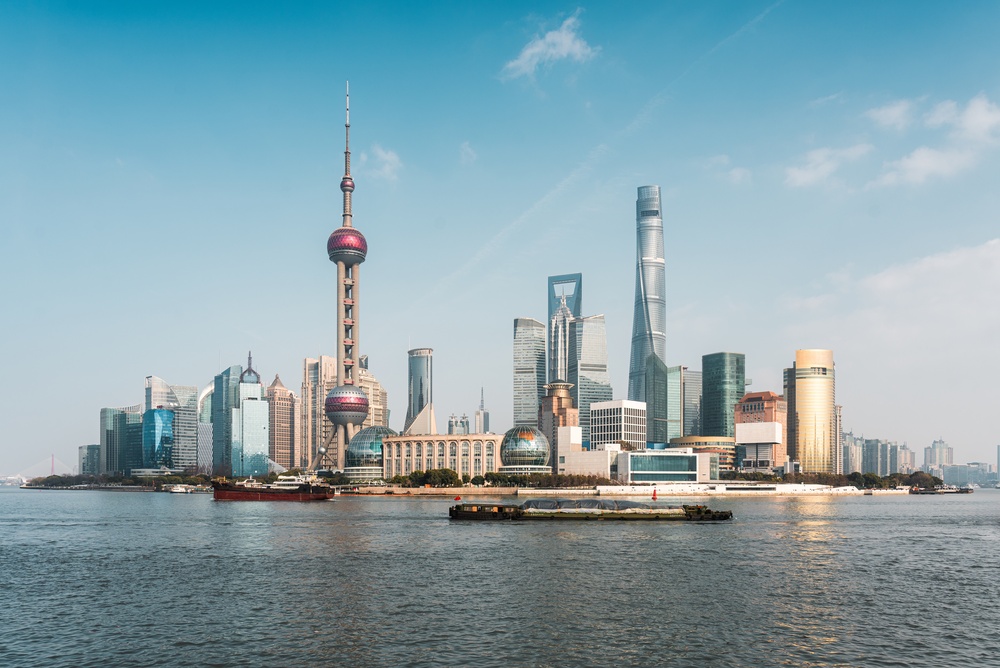
Directly across the Huangpu River from The Bund on the historic Puxi side lies Lujiazui, the modern financial district of Pudong. Surrounded by some of Shanghai’s most iconic skyscrapers, including Shanghai Tower, Oriental Pearl Tower, and Jin Mao Tower, the area is a great place to experience the city’s modern side. You can visit an observation deck for panoramic views, stroll along the elevated walkways, or head down to the waterfront to admire The Bund from across the river.
Highlights and must-do activities in Lujiazui, Shanghai, include:
- Take in the views from Shanghai Tower: Head up to the top of Shanghai Observatory on the 118th floor for panoramic views across the city. Alternatively, visit the 88th-floor observation deck at Jin Mao Tower, where the open-air skywalk experience is also available for those looking to see Shanghai from above.
- Capture the Oriental Pearl Tower: Take photos of the Oriental Pearl Tower, one of Shanghai’s most recognizable landmarks, known for its distinctive spherical design.
- Walk the elevated walkways and explore the waterfront: Wander along Lujiazui’s elevated pedestrian walkways for different angles of the surrounding skyscrapers, then head down to the waterfront for a view back across the Huangpu River toward the historic buildings of The Bund.
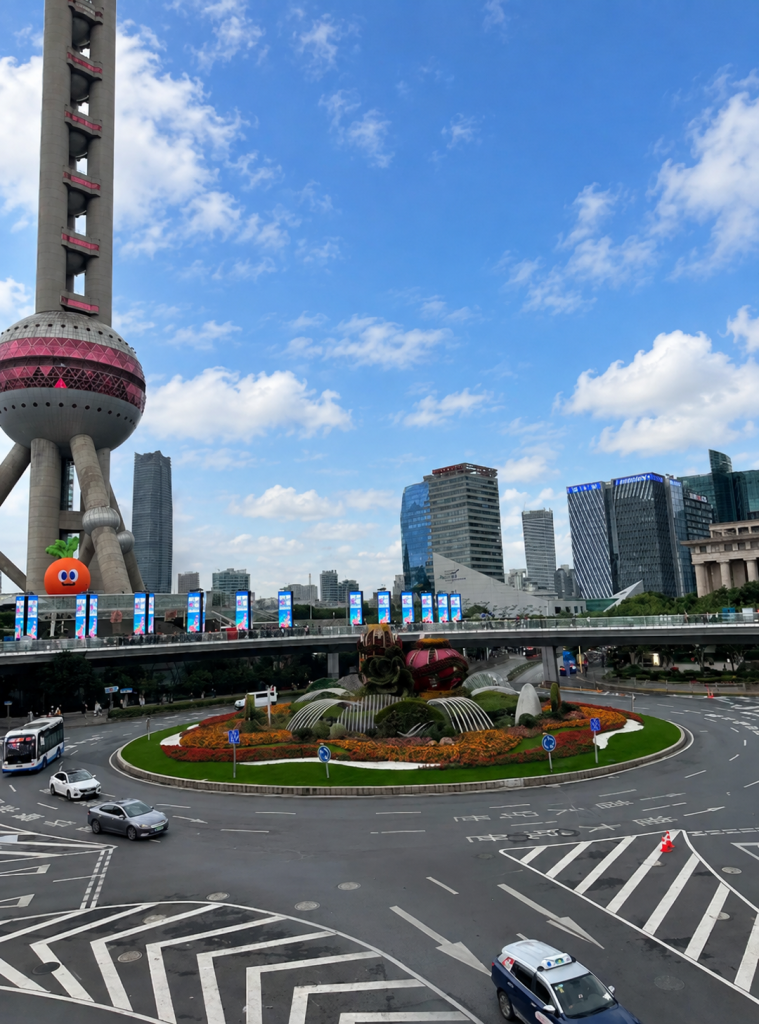
Lujiazui is also known for feng shui stories and beliefs that connect this financial district with wealth, career success, and progress. For those wishing for better finances or career opportunities, the evening is a popular time to visit, when the skyscrapers light up across the district. Walk one full circuit along the elevated walkway around the roundabout, look up at the surrounding towers while making a wish, and carry coins or banknotes with you as you focus on attracting wealth and prosperity.
3. Jing’an Temple
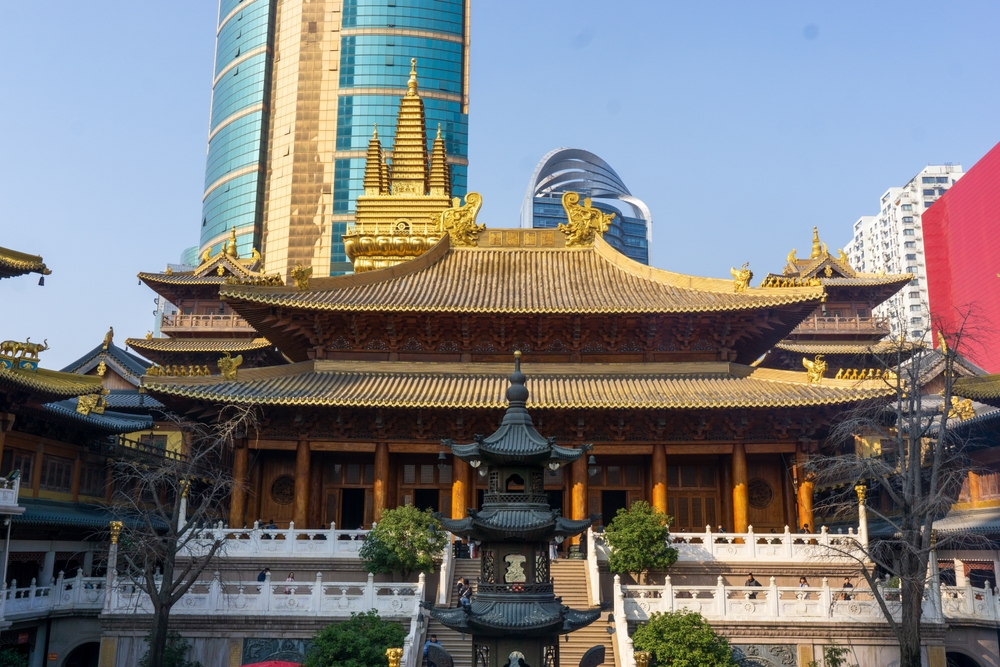
Another must-visit spot for spiritual travelers in central Shanghai is Jing’an Temple, a Buddhist temple with a history of more than 1,700 years, standing out among the city’s modern skyscrapers. Inside are several important halls and Buddhist statues, including a large silver Shakyamuni Buddha, a white jade Buddha, and a carved wooden Guanyin statue. It is a great place to admire traditional architecture and pray for blessings and good fortune during your trip to Shanghai.
Must-do activities for spiritual travelers at Jing’an Temple in Shanghai include:
- Light incense and toss a coin while making a wish: In the temple’s central courtyard, light incense and make a wish before tossing a coin toward the large bronze incense pagoda. According to popular belief, if the coin lands on the top of the pagoda or inside one of the openings, your wish may come true.
- Pay respect to the silver Shakyamuni Buddha: Inside the Daxiong Baodian stands a Shakyamuni Buddha made from around 15 tons of silver, one of the temple’s most important Buddha statues. Pay respects and seek blessings for good fortune, a smooth path through life, and the strength to overcome obstacles.
- Pray to the carved wooden Guanyin: Visit the Guanyin Hall, home to a 6.2-meter-tall Guanyin statue carved from camphor wood. Pray for compassion, love, and good fortune.
- Touch the Lucky Jade Stone for good fortune: Look for the large Lucky Jade Stone near the main hall. Touch the stone and make a wish, as popular belief holds that it brings good luck, positive energy, and helps wishes come true.
4. People’s Square and Shanghai Museum
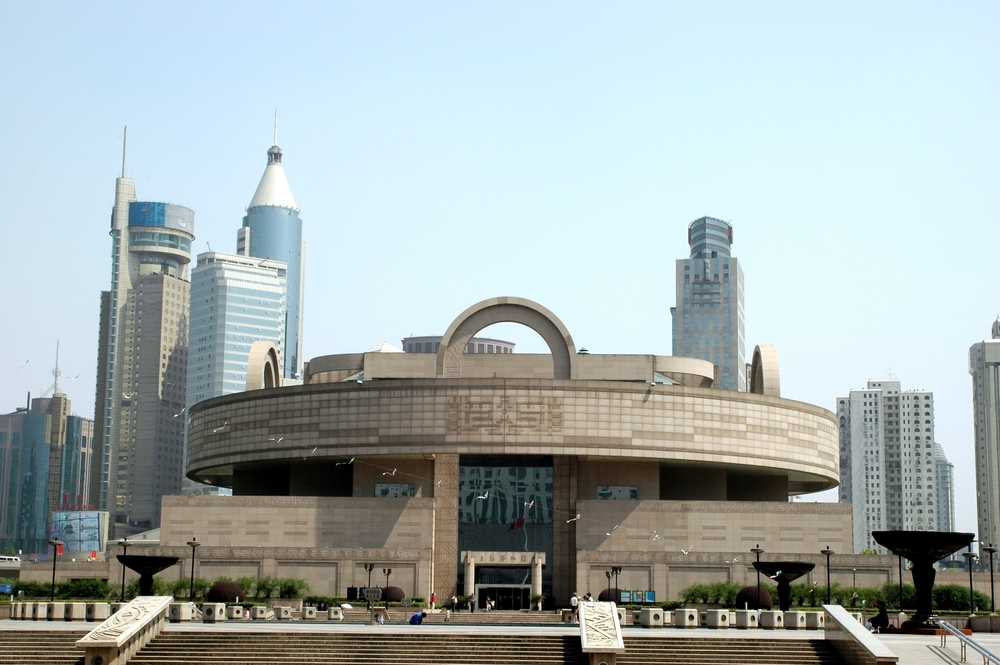
People’s Square is located in the heart of Huangpu District and is one of Shanghai’s key city landmarks. The area is surrounded by cultural attractions and popular public spaces, including Shanghai Grand Theatre, Shanghai Urban Planning Exhibition Hall, and People’s Park. It is also connected to the famous Nanjing Road, making it a convenient place to stroll around and explore several attractions within the same area.
One landmark not to miss is the Shanghai Museum, home to more than 120,000 pieces of Chinese art and historical artifacts spanning from prehistoric times to the Qing dynasty. Its collections include ancient bronzes, ceramics, jade, paintings, and Chinese calligraphy, along with rotating exhibitions. It is a great place for anyone looking to learn more about Chinese history, art, and culture.
Fee: Free admission. Travelers should bring their passport for registration. Some special exhibitions may require an additional ticket, with fees varying by exhibition.
Opening Hour: 9:00 a.m.-5:00 p.m. with last entry at 4:00 p.m.; closed on Mondays, except on Chinese public holidays.
Step Into Shanghai’s History and Heritage
5. Yu Garden and Shanghai City God Temple
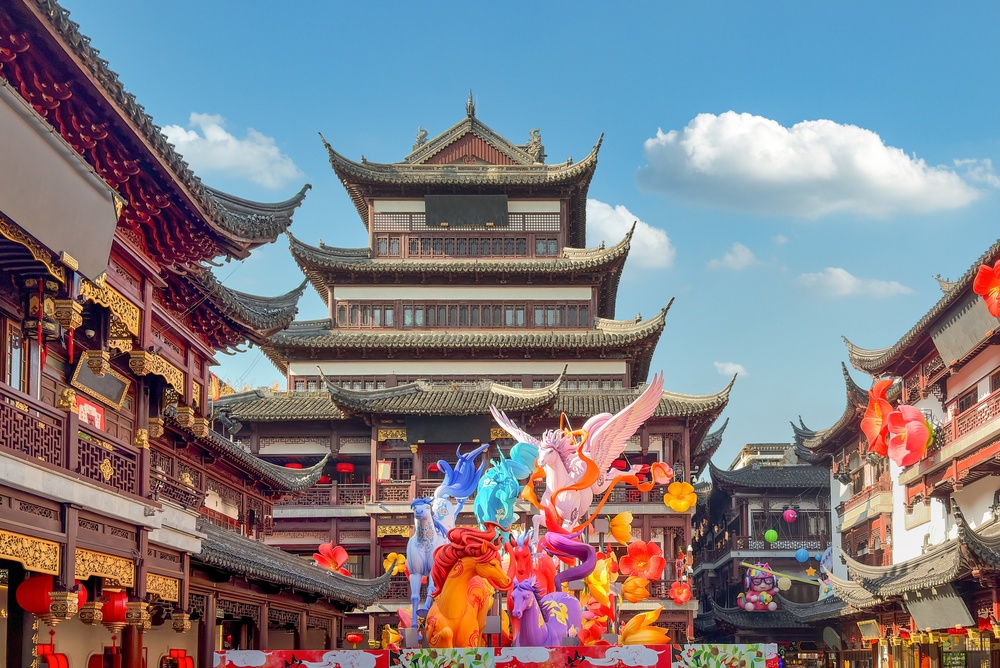
Yu Garden is a traditional Chinese garden in Shanghai’s Old City, beautifully arranged with pavilions, ponds, and decorative rock formations. Highlights include the Wanhua Chamber, a Chinese-style pavilion with intricate wood carvings and one of the garden’s main attractions, the Exquisite Jade Rock, a porous rock standing over three meters tall that is considered one of the garden’s most distinctive features, and the Nine-Bend Bridge, a popular photo spot.
After exploring Yu Garden, continue to Yuyuan Bazaar, a historic market filled with souvenir shops, handicrafts, and local snacks. Just a 4-minute walk away is the Shanghai City God Temple, a historic Taoist temple featuring traditional Chinese architecture. Inside, the temple honors three City Gods, Huo Guang, Qin Yubo, and Chen Huacheng, along with several halls such as the Fortune God Hall and Yuan Chen Hall. It is also a popular place to pray for good fortune, blessings, and success in life.
6. Shanghai Postal Museum
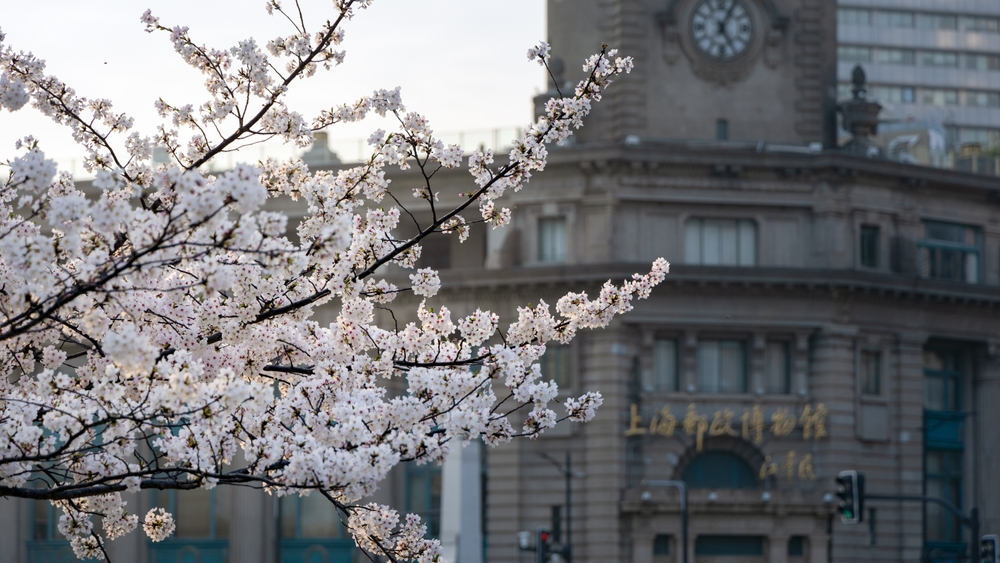
The Shanghai Postal Museum is a must-visit destination for photography enthusiasts and content creators. Located inside the historic Shanghai General Post Office along Suzhou Creek, the museum building dates back to 1924 and is known for its classic European-style architecture.
Inside, the museum also showcases the development of China’s postal system, along with collections of vintage postal equipment and memorabilia. It is a great spot to capture beautiful photos and discover a fascinating piece of Shanghai’s history.
7. Former French Concession
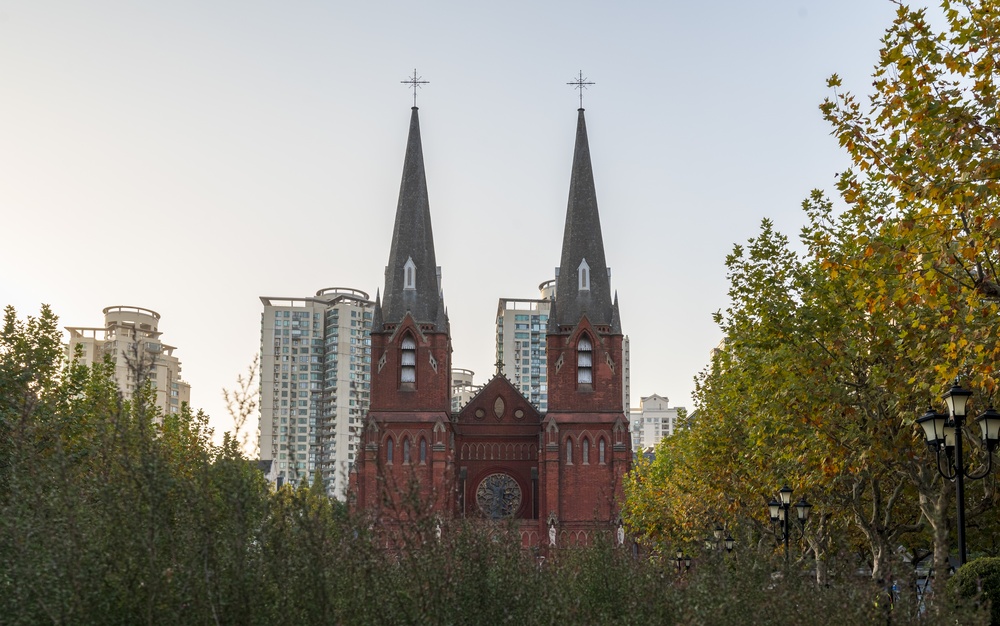
Take a relaxing stroll through the Former French Concession, one of Shanghai’s most charming historic districts, known for its tree-lined streets, European-style buildings, and distinctive Shikumen houses. The neighborhood is filled with cafes, restaurants, local brand stores, and galleries, making it a great place to walk around, take photos, and enjoy a more laid-back side of Shanghai. One of the most popular walking routes runs from Wukang Road to Anfu Road.
8. Wukang Road
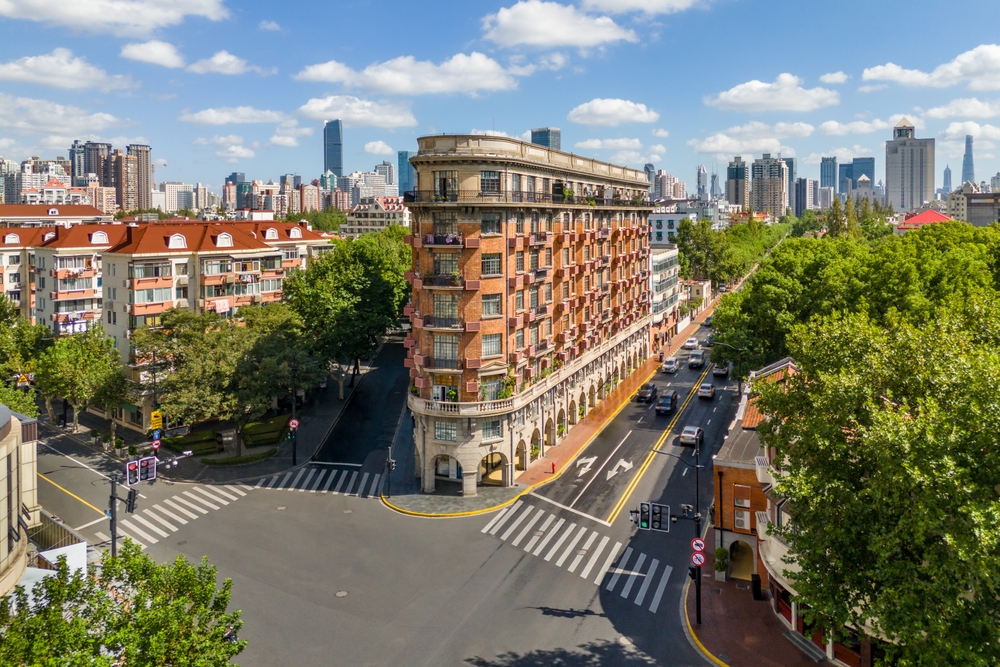
Wukang Road is a classic street in Shanghai’s Former French Concession, best known for the iconic Wukang Mansion. Built in 1924, this distinctive triangular building stands out against the area’s classic European-style architecture, making it one of the most popular photo spots among travelers to Shanghai.
Explore Shanghai’s Shopping and Lifestyle Districts
9. Nanjing Road
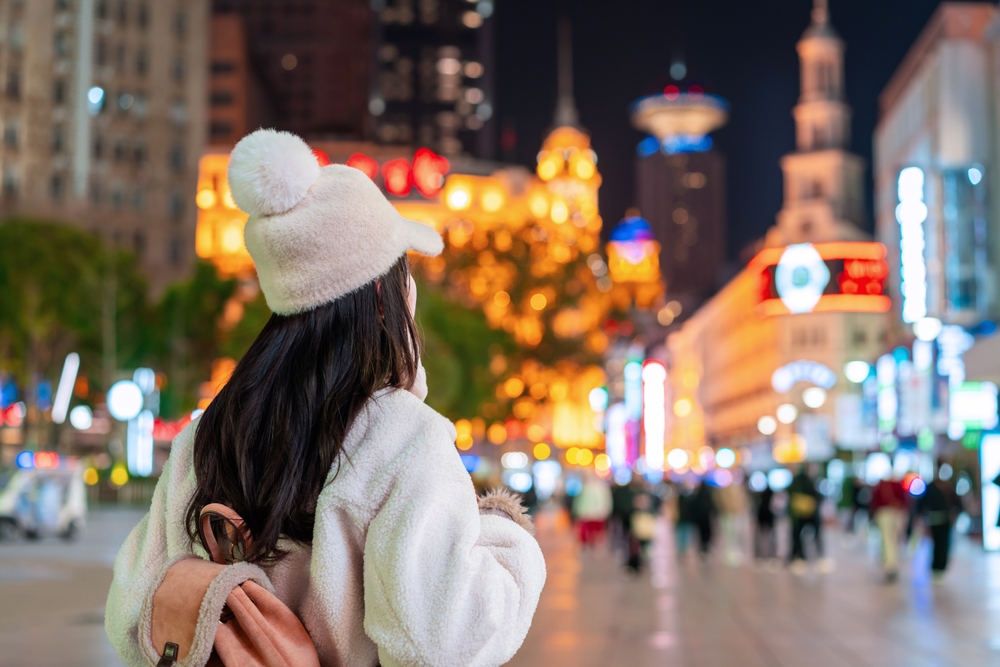
For a chic city vibe and a memorable shopping experience in Shanghai, Nanjing Road is highly recommended. As one of the city’s most important and historic commercial streets, it remains lively throughout the day and is lined with department stores, shops, restaurants, cafes, and historic buildings that reflect Shanghai’s transformation from the past into a modern metropolis. The street is divided into two main sections, each with its own distinct atmosphere.
- East Nanjing Road: A popular pedestrian street filled with department stores, shops, restaurants, and souvenir stores. The area becomes especially lively in the evening, and you can easily continue walking toward The Bund.
- West Nanjing Road: A more upscale and contemporary part of the street, home to shopping malls, luxury brand stores, and cafes. Popular stops include Zhangyuan and the Starbucks Reserve Roastery. From there, you can continue to Jing’an Temple.
10. Xintiandi
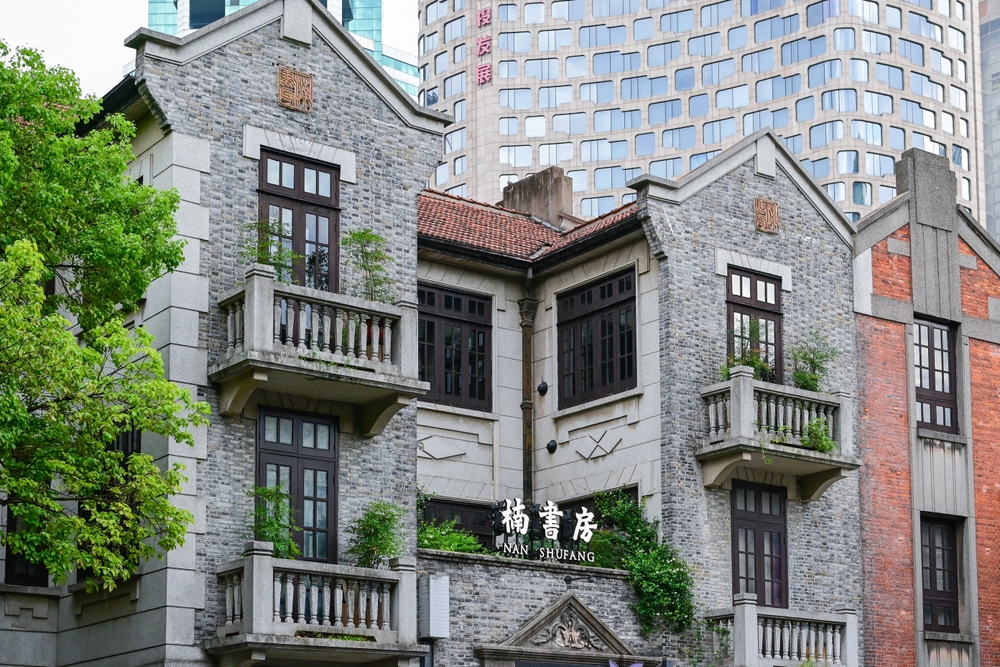
Xintiandi is another stylish lifestyle district in the heart of Shanghai, where the charm of the past blends seamlessly with modern city life. The area is best known for its Shikumen architecture, which combines traditional Chinese and Western influences. Many of these historic buildings have been transformed into restaurants, cafes, bars, fashion boutiques, and stylish shopping spaces, making Xintiandi a great place to stroll, take photos, and hang out from daytime into the evening.
11. Tianzifang
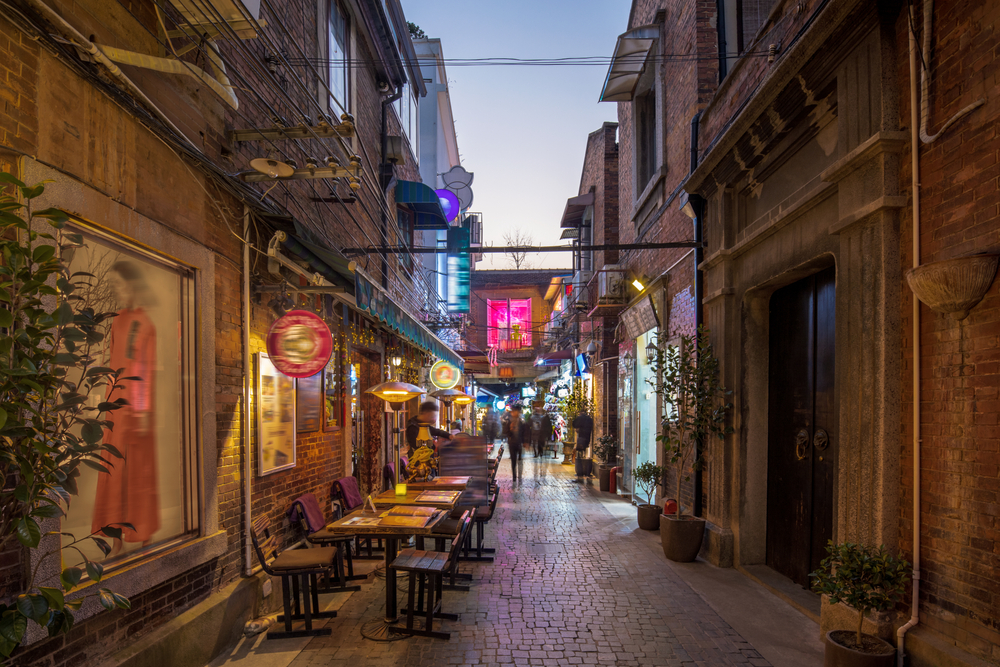
Travel about 2.8 kilometers from Xintiandi, and you’ll arrive at Tianzifang, a chic arts district set along a maze of narrow lanes. Here, you can wander through Shikumen buildings that have been transformed into artist studios, galleries, craft shops, and cafes.
Some parts of the area are still residential, giving the neighborhood a local and lived-in atmosphere. It is a great place to stroll, take photos, and shop for handmade goods, especially around Lane 210, the main entrance and one of the district’s most popular photo spots.
Experience Shanghai Beyond the Usual Landmarks
12. Take a Huangpu River Cruise
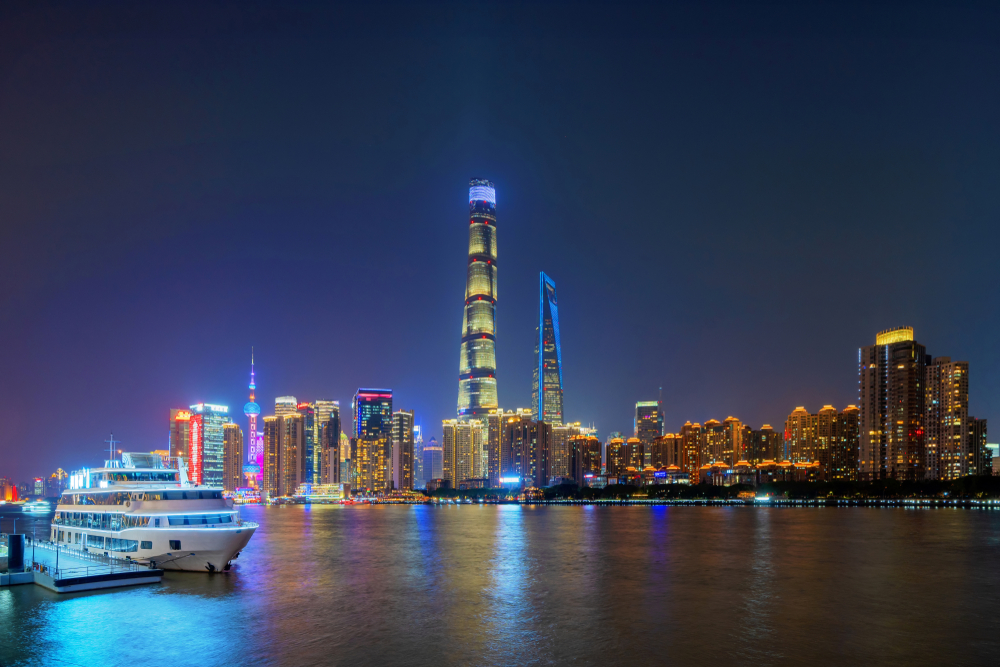
Another must-do activity when visiting Shanghai is taking a Huangpu River cruise, which offers views of the historic buildings of The Bund on one side and Pudong’s modern skyline on the other. The experience is especially beautiful in the evening, when the city lights create a romantic atmosphere along the river.
13. Taste Shanghai’s Famous Xiaolongbao
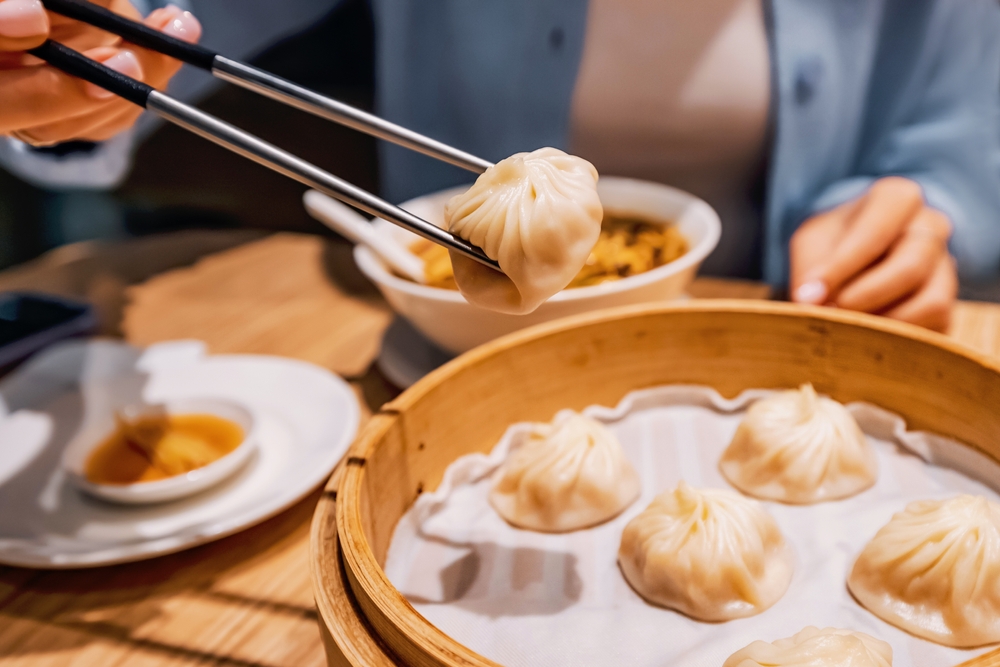
A trip to Shanghai would not be complete without trying Xiaolongbao, one of the city’s signature dishes. These steamed soup dumplings feature thin wrappers filled with pork and flavorful broth, and are then freshly steamed in bamboo baskets.
- Jia Jia Tang Bao: A popular spot known for freshly made Xiaolongbao, rich soup, and good value. Be prepared for a queue, especially during busy hours.
- Nanxiang Steamed Bun: A long-established restaurant near Yu Garden and the City God Temple, known for traditional-style Xiaolongbao with a variety of fillings, including crab and crab roe.
- Din Tai Fung: A great choice for first-time travelers, known for its thin wrappers, well-balanced flavors, and consistent quality.
- Jingmei Wuxi Noodles: A Wuxi-style restaurant on Yanping Road recognized with a Bib Gourmand by the MICHELIN Guide Shanghai. In addition to its signature noodles, the restaurant also serves Wuxi-style Xiaolongbao, which have slightly thicker wrappers than the Shanghai version, filled with juicy pork and a distinctive sweet and savory flavor.
14. Spend a Day at Shanghai Disneyland
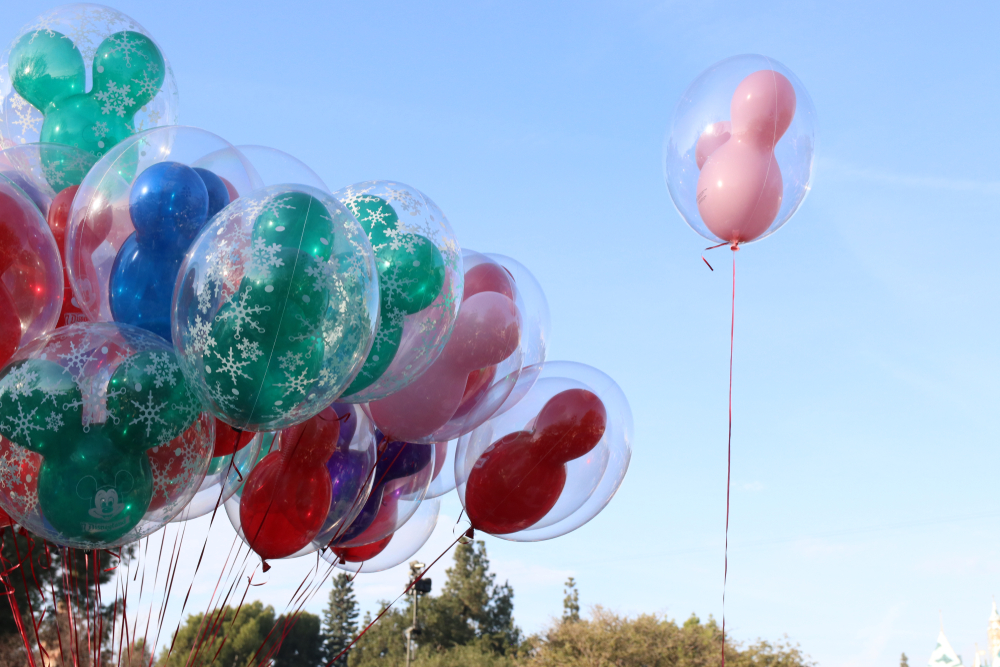
One of the places that brings many travelers to Shanghai is Shanghai Disneyland, where you can enjoy a mix of rides, shows, and famous themed lands. Must-see attractions include the world’s first Zootopia-themed land, the grand Enchanted Storybook Castle at the heart of the park, and the futuristic TRON Lightcycle Power Run in Tomorrowland. It is a great destination for Disney fans, families, and anyone looking to add more fun and color to their Shanghai trip.
15. Take a Day Trip to Zhujiajiao Water Town
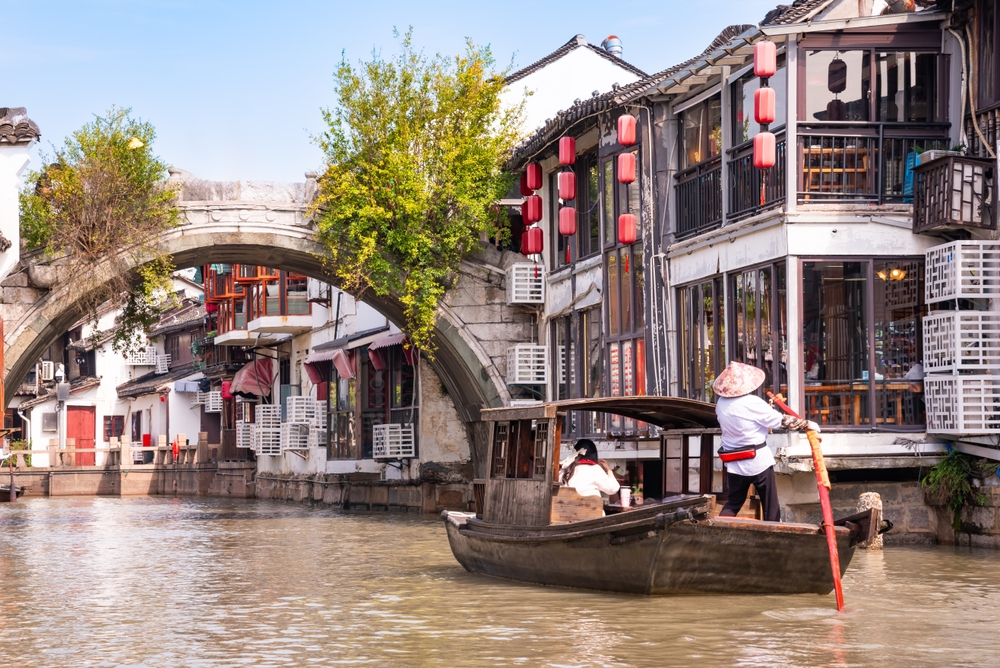
For a relaxing escape from Shanghai’s bustling city life, Zhujiajiao Ancient Town is the perfect place to slow down and enjoy a more laid-back atmosphere. This historic water town near Shanghai is often called the “Venice of Shanghai,” with Fangsheng Bridge, an ancient stone arch bridge, standing as one of its most iconic landmarks.
Enjoy a traditional wooden boat ride along the canals, soak up the charming water-town atmosphere, stroll through the old streets, take photos, sip tea, and sample local specialties such as zongzi, stinky tofu, and red-bean pastries. For a more memorable experience, dress in traditional Chinese clothing and capture beautiful photos against the town’s picturesque backdrop.
Best Time To Visit Shanghai, China
Shanghai can be visited year-round, but the most comfortable seasons for exploring the city are spring (March-May) and autumn (September-November). The weather is generally pleasant during these periods, making it a good time for walking, photography, and outdoor activities. However, each season offers a different experience:
- Spring (March-May): The weather starts to warm up, making it a great time to enjoy seasonal flowers, such as tulips around The Bund.
- Summer (June-August): Expect hot and humid weather with occasional rain. It is a good time to explore indoor attractions such as the Shanghai Museum or take a boat ride and enjoy the water-town atmosphere at Zhujiajiao.
- Autumn (September-November): Cooler temperatures and lower rainfall make this one of the best seasons for city walks. It is also a great time to enjoy autumn scenery around the Former French Concession and Wukang Road.
- Winter (December-February): The weather turns cold, but the city takes on a festive atmosphere. This season is perfect for visiting Shanghai Disneyland and enjoying the lantern displays at Yu Garden.
How to Travel from Thailand to Shanghai, China
Enjoy One Booking from Thailand to Shanghai with Bangkok Airways Codeshare Flights

Start your Shanghai trip with greater convenience through Bangkok Airways Codeshare Flights, connecting travelers from Thailand to Shanghai under a single booking. You can fly directly from Suvarnabhumi International Airport (BKK) to Pudong International Airport (PVG) in approximately 4 hours and 15 minutes, with the flight operated by our partner airline.
Alternatively, you can begin your journey from Koh Samui, Chiang Mai, Phuket, or Trat with a connecting flight. Baggage check-through to your final destination is also available on eligible codeshare itineraries, making your journey smoother all the way to Shanghai.
How To Get Around Shanghai, China
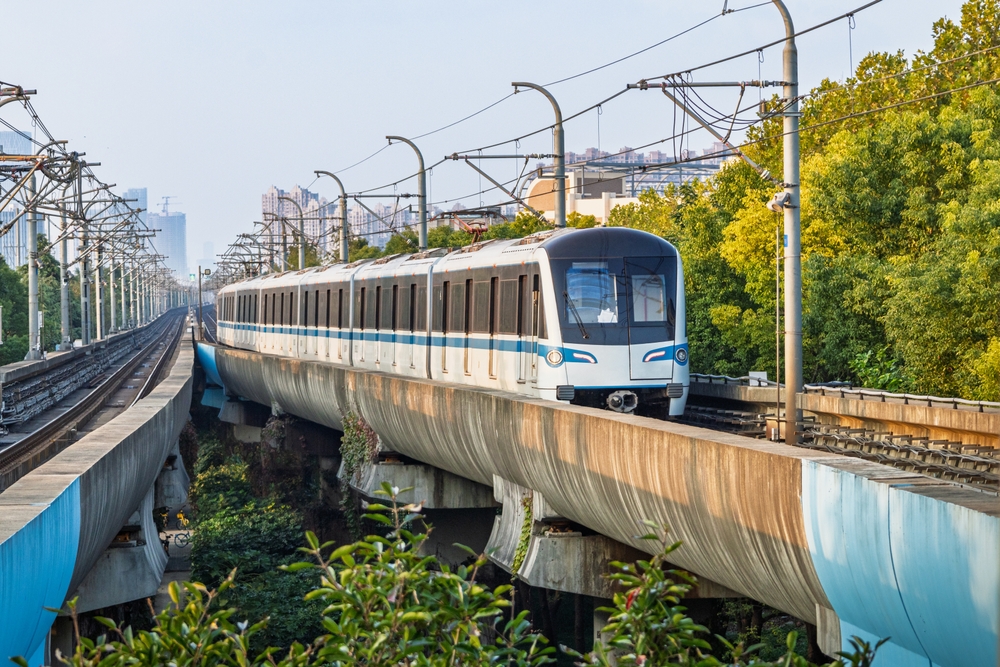
1. Shanghai Metro
The Shanghai Metro is one of the most convenient and affordable ways to get around the city, with lines connecting many major attractions. It is a great option for daily travel, and the Metro Shanghai Daduhui app can help you check routes, stations, and travel times more easily.
2. Taxis and Ride-Hailing Apps
Book a taxi through the DiDi app for an easy and convenient way to get around Shanghai. The app shows your route and estimated fare before booking. Fares are generally reasonable, and rides are widely available across the city.
3. Buses and Walking
Buses and walking are great for exploring nearby attractions within the same area. Baidu Maps can help you find bus routes and navigate between different places more conveniently.
Essential Travel Tips for Visiting Shanghai, China in 2026
1. Prepare Payments and Useful Apps Before You Go
Download essential apps in advance for payments, public transportation, ride-hailing, and navigation.
- Alipay: For scanning and making payments at shops, restaurants, and other services. Supported credit cards can also be linked to the app.
- WeChat Pay: Another popular payment option in China. It can be used for QR code payments and also supports linking eligible credit cards.
- DiDi Chuxing: For booking taxis or private cars, offering a convenient and easy way to get around Shanghai.
- MetroMan Shanghai: For checking metro routes, stations, fares, and planning trips between major landmarks.
- Baidu Maps or AMap (Gaode Maps): For finding routes, restaurants, cafes, and attractions around the city.
- Dianping (Dazhong Dianping): For checking reviews of restaurants, cafes, hotels, and attractions from users in China.
2. Check Entry Requirements Before Traveling
Before traveling, make sure to check China’s latest entry requirements and ensure that your passport is valid for at least six months from your date of entry.
- As of September 2026, China allows ordinary passport holders from 50 countries to enter visa-free for tourism and other eligible purposes for stays of up to 30 days. You can check the full list of eligible countries on the List of Countries Covered by Unilateral Visa Exemption Policies.
- From November 20, 2025, foreign travelers can complete a Digital Arrival Card in advance through the National Immigration Administration (NIA) website, the NIA 12367 app, or WeChat and Alipay mini programs, helping to make the immigration process more convenient. For more information and online registration, visit the National Immigration Administration Government Service Platform.
3. Learn a Few Useful Chinese Phrases
Although getting around Shanghai’s main attractions is relatively easy, knowing a few basic Chinese phrases can make it easier to communicate with locals, especially when taking a taxi, ordering food, or asking for directions. Useful phrases include:
- 你好 (Nǐ hǎo): Hello
- 谢谢 (Xièxie): Thank you
- 多少钱?(Duōshao qián?): How much is it?
- 洗手间在哪里?(Xǐshǒujiān zài nǎlǐ?): Where is the restroom?
- 我要去这里 (Wǒ yào qù zhèlǐ): I want to go here.
- 不要辣 (Bú yào là): Not spicy, please.
Q&A About Shanghai, China
How many days should you spend in Shanghai?
You should spend at least 4 days and 3 nights in Shanghai to explore the city’s main attractions at a comfortable pace. This gives you enough time to visit key areas such as The Bund, Lujiazui, Yu Garden, Nanjing Road, and the Former French Concession. If you also plan to visit Shanghai Disneyland or take a day trip to Zhujiajiao, consider adding an extra day or two for a more relaxed trip.
Is Shanghai worth visiting for first-time travelers to China?
Yes, Shanghai is a great choice for first-time travelers to China. The city is easy to explore, with a modern and convenient public transportation system connecting most major attractions. It also offers a great mix of historic landmarks, modern cityscapes, shopping, food, and cultural attractions. In addition, eligible ordinary passport holders from 50 countries can enter China visa-free for up to 30 days.
What are the best things to do in Shanghai at night?
Some of the best things to do in Shanghai at night include walking along The Bund, enjoying the illuminated skyline of Lujiazui, taking a Huangpu River cruise, and exploring lively areas such as Nanjing Road and Xintiandi. You can also watch Illuminate! A Nighttime Celebration at Shanghai Disneyland or enjoy dinner and drinks with city views.
What is the best area to stay in Shanghai for first-time travelers?
For first-time travelers, Nanjing Road or People’s Square are great areas to stay in Shanghai. Both are centrally located, well connected by public transportation, and close to major attractions, shopping, and restaurants. Staying in either area also makes it easy to explore popular spots such as The Bund, Yu Garden, and other central Shanghai neighborhoods.
What food should you try in Shanghai?
You should try some of Shanghai’s most popular local dishes, especially Xiaolongbao, the city’s famous soup dumplings filled with pork and hot broth. Other must-try foods include Sheng Jian Bao, crispy pan-fried buns, Hong Shao Rou, tender red-braised pork belly, and Jian Bing, a savory Chinese crepe. For something more comforting, try Xiao Wonton, Ci Fan Tuan, or a simple bowl of Yang Chun Noodles.
What payment apps should travelers use in Shanghai?
Travelers in Shanghai should use Alipay and WeChat Pay, the two most widely used mobile payment apps in China. Both allow you to scan QR codes to pay at shops, restaurants, cafes, and many other services. Supported international credit cards can also be linked to these apps, making cashless payments much more convenient during your trip.
Discover Everything You Shouldn’t Miss in Shanghai with Bangkok Airways
Experience the best of Shanghai, from the timeless charm of The Bund to a full day of fun at Shanghai Disneyland. Begin your journey to Shanghai from Thailand with Bangkok Airways Codeshare Flights and enjoy a comfortable Full-Service travel experience throughout your trip.
Bangkok Airways: Experience Unparalleled Comfort and Convenience
Embark on seamless travel adventures with Bangkok Airways’ extensive network of flights connecting you to Singapore, Laos, Cambodia, and Hong Kong. Additionally, enjoy our domestic flights to Chiang Mai, Bangkok, Koh Samui, Sukhothai, and Trat.
Through our codeshare partnerships, you can also access more destinations beyond Bangkok Airways’ own network, with the convenience of booking Bangkok Airways and partner airline flights in a single reservation and enjoying through-checked baggage on eligible connections.
- Seat Selection: Choose your preferred seat on your flight to ensure a comfortable journey.
- Baggage Allowance Included: Enjoy up to 20 kg of checked baggage, allowing you to bring along your essentials without worry.
- In-flight Meals: Enjoy complimentary meals and beverages on board.
- Airport Lounge Access: Relax and unwind in our exclusive airport lounges before your flight.